


Making a home safer and easier to navigate can significantly improve independence for older adults and people with disabilities. Unfortunately, the cost of an accessibility renovation can sometimes make families hesitate to move forward. The good news is that Ontario residents may have access to several sources of funding and financial assistance.
Depending on your circumstances, support may be available for stairlifts, porch lifts, accessible bathrooms, ramps, widened doorways and other home access improvements.
Start with the Ontario Home and Vehicle Modification Program (HVMP).
According to the March of Dimes Canada website, the program provides funding for basic and essential modifications that directly address physical barriers related to an applicant’s disability and mobility restrictions. Its goal is to help children and adults with mobility restrictions remain safely at home, participate in their communities and reduce risks associated with physical barriers.
Accessibility needs can vary considerably from person to person. One household may need grab bars and bathroom alterations, while another might require a wheelchair ramp or stairlift. March of Dimes Canada explains that the program aims to “remove or minimize a life safety risk” while also helping prevent hospitalization or institutionalization, facilitating discharge from these settings, avoiding loss of employment and helping caregivers safely care for dependants with disabilities.
Eligible applicants can apply for up to $15,000 as a lifetime maximum for home modifications, adaptations and devices. Separate funding of up to $15,000 may be available for eligible vehicle modifications every 10 years.
Who is eligible for the HVMP?
According to the Ontario government’s website, applicants must be permanent Ontario residents. They must also have a substantial impairment caused by bodily injury, a birth defect or illness that is ongoing or recurring and expected to last at least one year. The impairment must impede mobility and substantially restrict activities of daily living. Additional program criteria also apply.
Ontario says applicants must first access other available public or private funding sources before they can be considered eligible. Applicants with gross annual incomes over $35,000 may also be required to contribute towards the cost of their modification.
What home modifications may be covered?
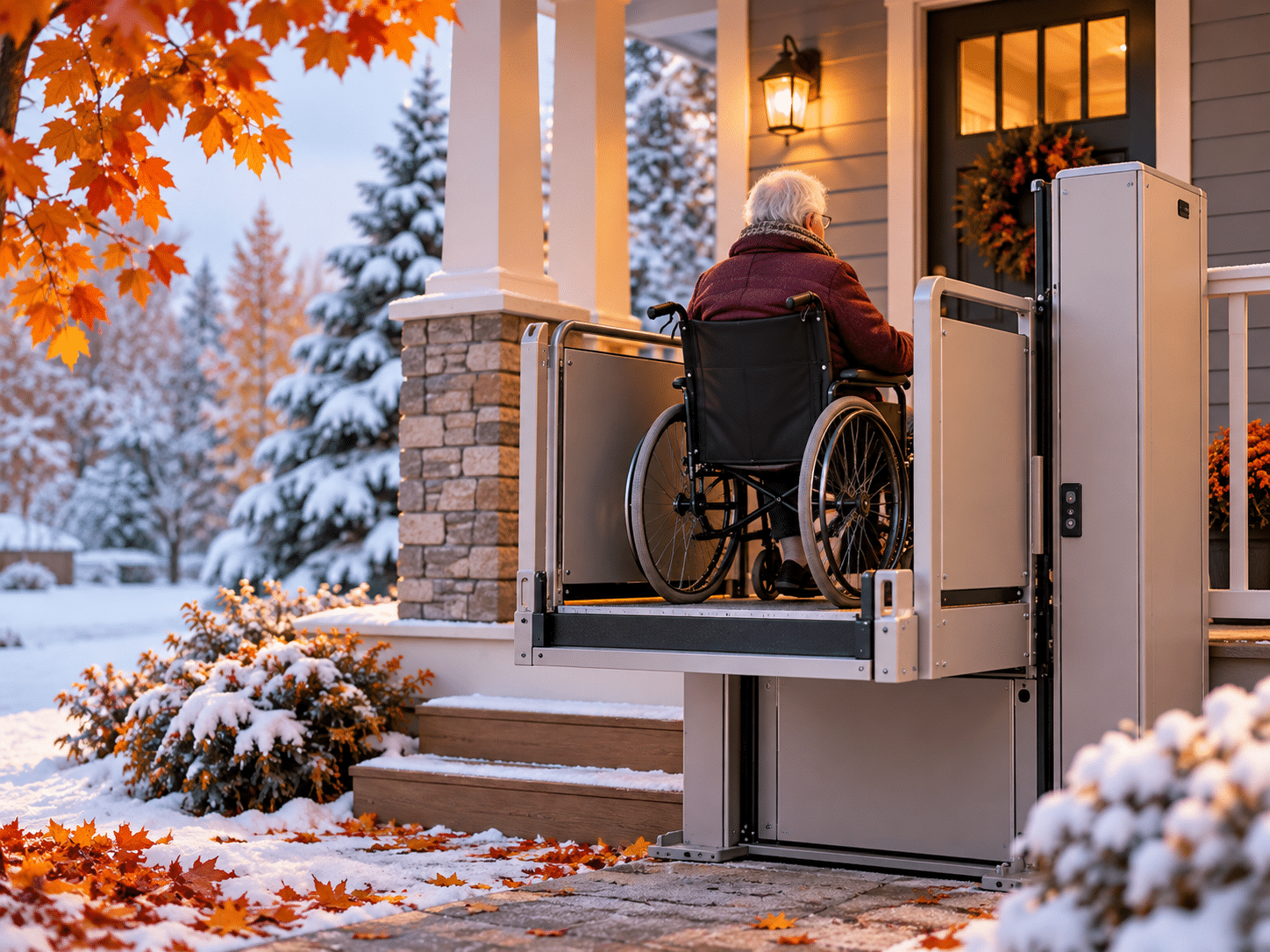
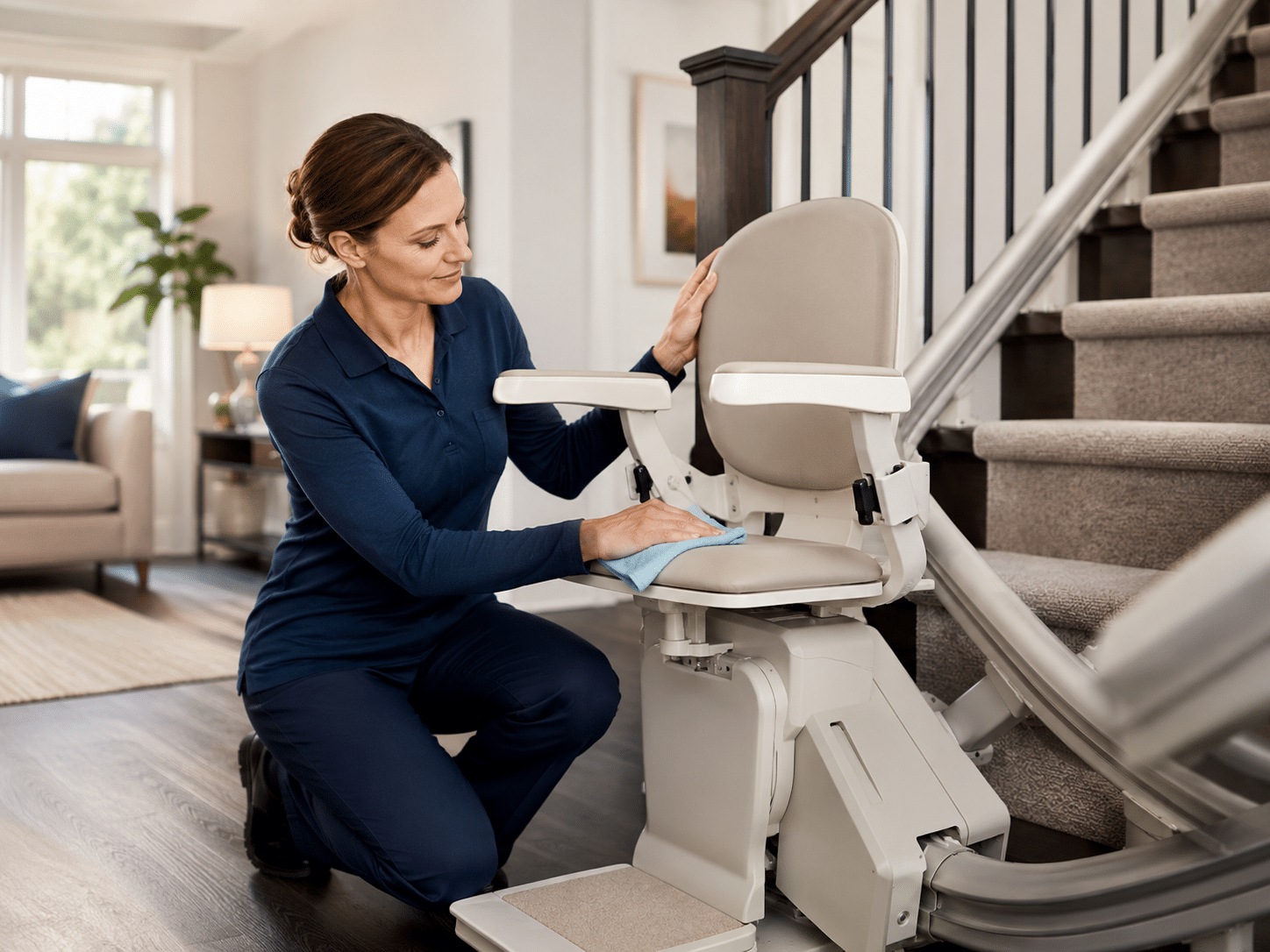
Ontario identifies ramps, indoor and outdoor platform lifts, stairway lifts, lifting and transferring devices, elevating devices and wheelchair access paths among eligible modifications. Funding can also apply to widening doorways, replacing conventional doors with sliding or folding doors and making structural changes required for approved equipment.
Bathroom modifications can include rearranging the room for safer use, installing wheel-in showers, grab bars and bathtub safety rails. Kitchen alterations may involve raising or lowering cupboards and equipment. For people who use wheelchairs, scooters and other mobility solutions, these changes can help transform difficult areas of a house into spaces that are safer and more practical.
Eligible costs may extend beyond equipment itself. Ontario states that the program can include approved professional fees, design schematics, supplies, warranties, installation, labour and training in the use of equipment.
Look into Ontario Renovates.
The Province of Ontario also identifies the Ontario Renovates component of the Ontario Priorities Housing Initiative as a potential source of financial assistance. It supports eligible low- to moderate-income homeowners and landlords of affordable rental buildings with necessary repairs and accessibility improvements.
Availability and eligibility can vary by community. Ontario recommends contacting your local service manager to determine whether the program is offered in your area and whether you qualify. For homeowners in Toronto and the Greater Toronto Area, checking with your municipality or regional housing authority can uncover local opportunities that might otherwise be missed.
Investigate federal tax credits.
The federal Home Accessibility Tax Credit (HATC) is a non-refundable tax credit for eligible home renovations. The federal government states that the credit applies at the lowest personal income tax rate to as much as $20,000 of eligible renovation or alteration expenses per calendar year for a qualifying individual who is 65 or older or eligible for the Disability Tax Credit.
Qualifying renovations generally need to improve accessibility, safety or functionality within the home. Tax rules can change, and how different credits interact can also change. In particular, federal rules concerning expenses claimed under both the Home Accessibility Tax Credit and Medical Expense Tax Credit changed effective January 1, 2026. Before claiming an accessibility renovation, consult the Canada Revenue Agency’s current guidance or speak with a qualified tax professional.
Consider property tax relief.
Ontario says property owners modifying a property for a senior or person with a disability may qualify for property tax relief in some circumstances. Examples given by the province include building a ramp or adding an extra room.
Low-income seniors and low-income people with disabilities may also qualify for relief from property tax increases through their municipality. Although this assistance may not directly pay for your accessibility project, reducing other household expenses could make the overall cost more manageable.
Plan before you purchase.
Finding funding should happen early in your planning process rather than after construction has begun. Before purchasing equipment or hiring a contractor, determine which programs you may qualify for and whether approval is required before work begins. Keep written estimates, assessments, invoices and other documentation associated with the proposed project.
An Occupational Therapist may also be able to help identify accessibility barriers and recommend suitable mobility solutions. Ontario notes that an assessment may be requested under the HVMP when additional information is needed to establish the relationship between someone’s functional abilities and the proposed modification.
Frequently Asked Questions (FAQs).
How much HVMP funding can I receive for home modifications?
Eligible applicants may apply for up to $15,000 as a lifetime maximum for home modifications, adaptations and devices through the Home and Vehicle Modification Program.
Can HVMP funding be used for a stairlift?
Potentially, yes. The Province of Ontario specifically includes stairway lifts, platform lifts and certain lifting or transferring devices among eligible home modifications. Approval depends on the applicant and proposed modification meeting program requirements.
Can funding cover an accessible bathroom renovation?
Eligible HVMP modifications can include rearranging bathrooms for safer use, wheel-in showers, wall grab bars and bathtub safety rails.
Should I purchase accessibility equipment before applying?
It’s best to investigate program requirements first. Some funding programs require applications, assessments or approval before eligible expenses are incurred. Confirm the rules of the particular program before committing to a purchase or beginning construction.
Are there programs besides the Home and Vehicle Modification Program?
Yes. Depending on eligibility and location, possibilities include Ontario Renovates, the federal Home Accessibility Tax Credit and certain municipal or property tax relief programs.
Where do I apply for the Home and Vehicle Modification Program?
The Province of Ontario directs applicants to March of Dimes Canada, which administers the program and provides information about eligibility and the application process.
Can I combine different sources of financial assistance?
Possibly, but each program has its own rules. Ontario specifically states that HVMP applicants must first access other available public or private funding. Tax-credit rules may also affect which expenses can be claimed. Confirm your eligibility with the relevant program administrators or a qualified tax professional before proceeding.
For information about any and all of the mobility solutions available from LifeCare Mobility Solutions, please don’t hesitate to call us at 416-267-9800 or email us at info@lifecaremobility.ca. You may also contact us by filling out the form on our Contact page!